





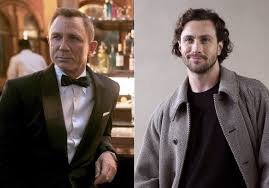
Introduction to new james bond
The phrase “new James Bond” carries enormous weight. Few fictional characters in cinema history are as globally recognized, endlessly analyzed, or emotionally defended as 007. Every time the Bond franchise enters a transition period, audiences around the world lean in a little closer, curious and sometimes anxious about what comes next. A new Bond is never just a casting decision—it’s a cultural moment.
With the conclusion of Daniel Craig’s intense and era-defining run, the franchise now stands at a creative crossroads. The next James Bond must honor more than six decades of legacy while also speaking to a modern audience with evolving expectations. This balance is delicate, and getting it right will shape the future of the franchise for years, possibly decades.
In this article, we explore what the new James Bond represents, how the role has evolved over time, what qualities the next 007 will likely embody, and why this transition is one of the most important in the franchise’s history. Rather than focusing on rumors or short-term headlines, this is a deeper look at the character, the cultural moment, and the future of Bond as a cinematic icon.
The Legacy of James Bond and Why Change Is Inevitable
James Bond has never been a static character. From the very beginning, the role has evolved in response to cultural shifts, political climates, and audience expectations. Sean Connery’s Bond reflected Cold War confidence and masculine dominance, while Roger Moore brought charm, humor, and escapism during a time when audiences wanted fun over realism.
As decades passed, Bond became more polished, more vulnerable, and occasionally more introspective. Pierce Brosnan balanced sophistication with action-movie spectacle, reflecting the late 1990s appetite for glossy blockbusters. Then came Daniel Craig, whose portrayal fundamentally reshaped the character by introducing emotional depth, physical realism, and moral ambiguity.
Because Bond evolves with the times, the arrival of a new James Bond is not a betrayal of tradition—it is the tradition. Each new actor reinvents the role while retaining its core elements: intelligence, danger, confidence, and style. The franchise survives precisely because it adapts, and stagnation would be a far greater threat than change.
In many ways, the new James Bond must reflect the world we live in now. Global politics are more complex, hero narratives are more nuanced, and audiences expect characters to feel human rather than invincible. This context makes the next iteration of Bond both challenging and exciting.
Life After Daniel Craig: Closing One Chapter, Opening Another
Daniel Craig’s tenure as James Bond was unlike any before it. His version of 007 was raw, physically imposing, and emotionally exposed. For the first time, audiences saw Bond fail, suffer, and question himself in deeply personal ways. The character aged on screen, accumulated scars, and carried emotional consequences from one film to the next.
This long-form storytelling approach gave the franchise a sense of continuity that had never existed before. Bond was no longer just resetting after every mission; his experiences mattered. While this approach was widely praised, it also reached a natural conclusion. Craig’s Bond had been fully explored, leaving little room to continue without repetition.
The end of this era gives the franchise a rare opportunity to reset creatively. The new James Bond does not need to copy Craig’s intensity or emotional heaviness. In fact, many fans are eager for a tonal shift—perhaps something lighter, sharper, or more mysterious.
However, the emotional intelligence introduced during the Craig era cannot simply be erased. Audiences now expect depth, motivation, and consequence. The challenge for the new Bond will be finding a fresh tone that acknowledges this evolution without being weighed down by it.
What Defines the New James Bond in Today’s World
The modern cinematic landscape is very different from the one Bond first emerged in. Today’s heroes are scrutinized more closely, both morally and psychologically. Strength alone is no longer enough; audiences want complexity, self-awareness, and growth. The new James Bond must embody these qualities while still being undeniably Bond.
One defining feature of the new Bond will likely be intelligence over brute force. While physical capability remains essential, modern espionage emphasizes strategy, technology, and psychological warfare. A Bond who wins through observation, patience, and wit feels far more relevant than one who relies solely on muscle.
Another crucial aspect is emotional restraint paired with internal depth. The new Bond does not need to be openly vulnerable at every moment, but he must feel human. Quiet moments, subtle expressions, and moral hesitation can say more than dramatic monologues ever could.
Finally, the new James Bond must project confidence without arrogance. The modern audience is less tolerant of unchecked ego. A Bond who understands his own flaws, respects allies, and adapts to changing circumstances feels more believable—and ultimately more compelling.
Casting the New James Bond: More Than Just a Famous Face
Casting a new James Bond is one of the most high-pressure decisions in film history. The actor chosen will be tied to the role for years, if not decades, and every performance will be compared to predecessors. Yet the ideal choice is rarely the most obvious one.
Historically, the best Bond actors were not global superstars at the time of casting. What mattered more was presence—the ability to command attention, suggest danger, and convey intelligence with minimal dialogue. The new Bond must be someone who feels credible as a spy, not just an action hero.
Age also plays a critical role. A younger Bond allows for long-term storytelling and character development, while an older Bond brings gravitas and experience. The franchise must decide whether it wants to build a long arc or focus on a shorter, more intense era.
Equally important is versatility. The new James Bond must handle action, drama, humor, and subtle emotional beats. The role demands range, and the actor must feel equally at home in a quiet conversation and a high-stakes confrontation.
Style, Sophistication, and the Evolution of Bond’s Image
James Bond is as much a visual icon as he is a narrative one. His suits, watches, cars, and mannerisms are instantly recognizable. However, style evolves, and the new James Bond must reflect contemporary sophistication rather than outdated luxury.
Modern style is often understated. Clean tailoring, functional elegance, and authenticity matter more than flash. The new Bond’s look will likely emphasize practicality and refinement over extravagance, aligning with a more grounded version of espionage.
Sophistication also extends beyond clothing. The way Bond interacts with others—his posture, tone of voice, and emotional control—defines his presence. The new Bond should feel effortlessly composed, not performatively cool.
Importantly, style should never overshadow character. Bond’s appearance should serve the story, reinforcing his identity as a professional operative rather than a fashion model. When done right, style becomes an extension of personality rather than a distraction.
Technology, Espionage, and the Modern Threat Landscape
Espionage today looks very different from the Cold War spy games that shaped early Bond films. Surveillance, cyber warfare, misinformation, and artificial intelligence now play central roles in global conflict. The new James Bond must navigate this reality convincingly.
This doesn’t mean abandoning physical action altogether. Instead, action should feel purposeful and strategic. A chase scene driven by intelligence gathering or data interception feels more relevant than a purely explosive spectacle.
Villains, too, must evolve. Modern threats are often faceless, systemic, and morally complex. The new Bond will likely face adversaries who operate in gray areas, forcing him to question not just how to stop them, but whether the system he serves is always right.
By grounding espionage in modern realities, the franchise can remain thrilling while also feeling intellectually engaging. The new James Bond becomes not just a fighter, but a thinker navigating an increasingly complex world.
Relationships, Allies, and the Human Side of Bond
One of the most noticeable evolutions in recent Bond films has been the treatment of relationships. Bond is no longer a lone wolf moving through disposable connections. His allies matter, and his relationships have emotional consequences.
The new James Bond will likely continue this trend, but with refinement. Rather than relying on dramatic romance, relationships may be built on trust, shared experience, and mutual respect. This approach feels more mature and realistic.
Allies such as M, Q, and field operatives are no longer background characters. They represent institutions, ethics, and technological progress. Bond’s interactions with them reveal his values and adaptability.
By emphasizing meaningful connections, the new Bond becomes more than a symbol. He becomes a person navigating loyalty, responsibility, and personal cost—all themes that resonate strongly with modern audiences.
Balancing Tradition and Innovation in the Bond Franchise
One of the greatest challenges facing the franchise is balancing nostalgia with innovation. Bond fans are deeply attached to certain elements: the theme music, the gun barrel sequence, the code number, and the general tone of sophistication.
At the same time, repeating the past too closely risks creative stagnation. The new James Bond must feel familiar enough to honor tradition while being bold enough to justify his existence.
Innovation doesn’t require abandoning core identity. Small changes in pacing, storytelling structure, and character development can make a significant difference without alienating long-time fans.
When tradition and innovation work together, Bond feels timeless rather than dated. The new James Bond should feel like a natural evolution, not a radical departure or a nostalgic imitation.
Why the New James Bond Matters More Than Ever
James Bond has always reflected the world around him, whether intentionally or not. In times of uncertainty, audiences look to familiar icons for reassurance, inspiration, or reflection. The new James Bond arrives at a moment when global identity, power, and morality are being questioned.
This makes the role more significant than ever. Bond is no longer just entertainment; he is a cultural symbol navigating modern complexity. How he responds to threats, authority, and personal responsibility sends subtle messages about heroism in today’s world.
A well-crafted new Bond can reaffirm the franchise’s relevance while offering fresh perspectives. Done poorly, it risks feeling out of touch or unnecessary. The stakes are high, but so is the potential reward.
Conclusion
The arrival of the new James Bond is not just a casting announcement or a marketing event. It marks the beginning of a new creative chapter for one of cinema’s most enduring icons. This transition is an opportunity to redefine what Bond means in a modern context without losing the essence that made him legendary.
By embracing intelligence, emotional depth, modern espionage, and refined sophistication, the new Bond can feel both familiar and exciting. He doesn’t need to replace what came before—he needs to build upon it.
If done thoughtfully, the next James Bond will not simply continue a franchise. He will redefine it for a new generation, proving once again that 007 is not bound by time, but shaped by it.