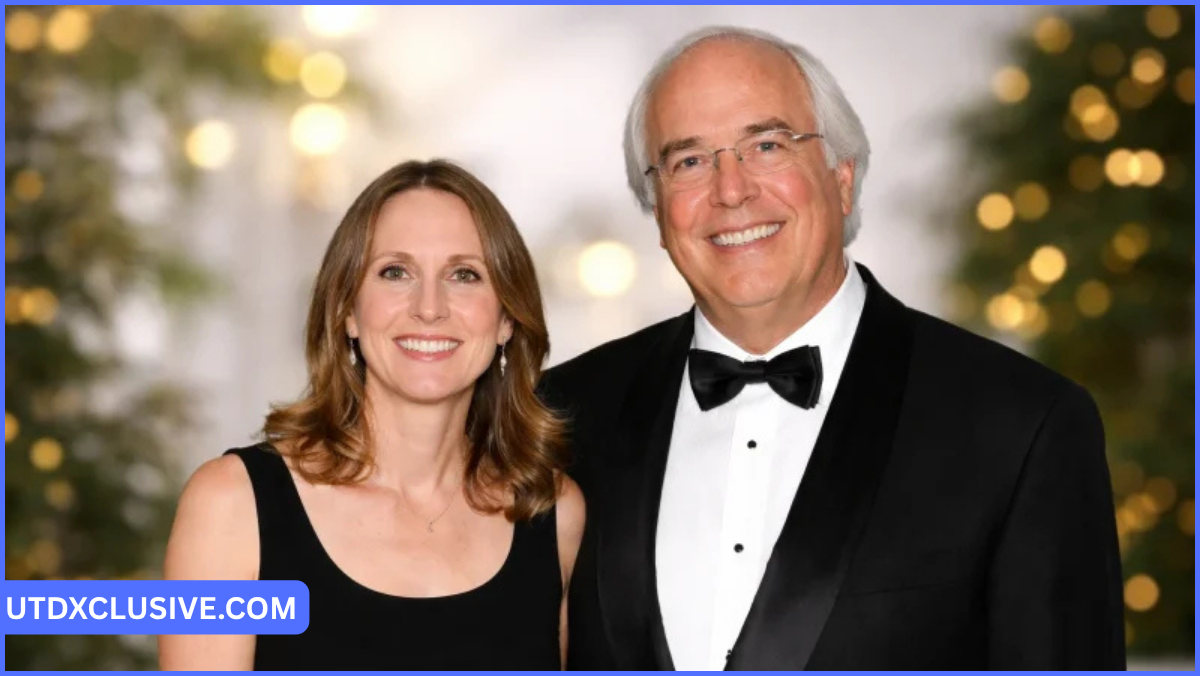






Introduction to lyzel williams
Lyzel Williams is one of those rare individuals whose influence is felt more than it is loudly announced. Known primarily to the public through his former marriage to Grammy-winning singer Jill Scott, Williams has always existed at the intersection of creativity, design, and introspection. Rather than chasing celebrity, he has built a life rooted in art, music, and self-expression—often behind the scenes.
Unlike many public figures who lean into the spotlight, Lyzel Williams has consistently maintained a low profile. This restraint has made him intriguing to audiences who value depth over noise. Over time, his story has become less about fame and more about individuality, emotional intelligence, and creative integrity. His journey reflects the kind of success that isn’t always measured by headlines but by impact and intention.
In this article, we explore Lyzel Williams from multiple angles—his early life, creative pursuits, philosophy, relationship with fame, and enduring relevance. Rather than relying on myths or surface-level narratives, this piece dives deep into who he is, what he stands for, and why his story continues to resonate years after his most public chapter ended.
Early Life and Personal Foundations
Lyzel Williams was born and raised in the United States, where he developed an early appreciation for creativity and structure. While detailed public records about his childhood are limited—largely due to his preference for privacy—it’s clear that his formative years played a significant role in shaping his artistic mindset. He grew up during a time when analog creativity was still central, which likely influenced his later appreciation for tactile and visual art forms.
From a young age, Williams demonstrated an interest in both visual aesthetics and sound. This dual fascination would later define much of his professional work. Unlike those who discover creativity later in life, Williams seemed drawn naturally to expression, whether through design, music, or conceptual thinking. These interests weren’t fleeting hobbies but consistent lyzel williams passions that matured alongside him.lyzel williamsFrom a young age, Williams demonstrated an interest in both visual aesthetics and sound. This dual fascination would later define much of his professional work. Unlike those who discover creativity later in life, Williams seemed drawn naturally to expression, whether through design, music, or conceptual thinking. These interests weren’t fleeting hobbies but consistent passions that matured alongside him.
What stands out about his early foundation is the balance between discipline and freedom. He has often been described as thoughtful and introspective—qualities that suggest an upbringing that encouraged both independent thinking and personal responsibility. These traits would later become central to how he navigated relationships, work, and public attention.
Educational Background and Creative Development
Lyzel Williams pursued formal education with a focus on design and visual communication. His academic background helped refine his natural creativity into a professional skill set, allowing him to translate ideas into tangible outcomes. Education, for Williams, was not about credentials alone but about sharpening perspective and technical understanding.
Design theory, visual balance, and conceptual storytelling became key components of his work. Rather than gravitating toward flashy or trend-driven styles, Williams leaned into thoughtful, purpose-driven design. His approach suggested someone more interested in meaning than momentary appeal, which set him apart from many creatives of his generation.
This period of development also helped Williams cultivate patience—a trait essential in both art and life. By learning to sit with ideas, revise them, and respect process, he built a creative philosophy centered on longevity rather than instant gratification. That mindset would serve him well in both his professional career and personal experiences.
Career as a Graphic Artist and Creative Professional
Lyzel Williams built his professional reputation primarily as a graphic artist and creative consultant. His work emphasized clean aesthetics, intentional layouts, and conceptual clarity. While he never sought mainstream fame for his design work, those familiar with his projects often describe them as quietly powerful and emotionally grounded.
Rather than working for mass-market visibility, Williams focused on projects that aligned with his values. This selective approach allowed him to maintain artistic integrity while avoiding burnout—a common challenge in creative industries. His work reflects a belief that art should communicate, not overwhelm.
Over time, his design career expanded into broader creative roles, including conceptual branding and visual storytelling. Williams became known as someone who understood how visuals influence emotion and perception. That understanding extended beyond commercial design and into how he approached music, relationships, and public presence.
Exploration of Music and DJ Culture
In addition to visual art, Lyzel Williams has a deep connection to music, particularly DJ culture. Music, for him, has never been about performance alone—it’s about atmosphere, emotion, and connection. As a DJ, Williams approached sound as a form of storytelling rather than entertainment.
His musical taste reflects a broad appreciation for rhythm, soul, and depth. Rather than chasing trends, he gravitated toward music that carried emotional weight and cultural history. This approach mirrors his visual work, reinforcing the idea that his creativity is rooted in intention rather than attention.
DJ culture also allowed Williams to explore community without celebrity. Through music, he could connect with people authentically, sharing energy without ego. This balance—being present without being dominant—has defined much of his creative life.
Marriage to Jill Scott and Public Recognition
Lyzel Williams became widely known to the public through his marriage to acclaimed singer and poet Jill Scott. Their relationship drew attention not because of scandal but because of its emotional openness and artistic synergy. At the time, they were seen as a deeply connected couple rooted in mutual respect and creative understanding.
Their marriage brought Williams into a level of visibility he had never actively sought. While some might have leveraged that exposure for personal gain, Williams remained reserved. He continued focusing on his work and personal growth rather than capitalizing on public curiosity.
When the marriage eventually ended, both parties handled the separation with maturity and dignity. Williams did not engage in public commentary or media narratives, reinforcing his preference for privacy. This restraint earned him quiet respect and highlighted his commitment to personal integrity over public opinion.
Life After Divorce and Personal Growth
Following his divorce, Lyzel Williams retreated further from public view—not out of bitterness, but out of intention. This period marked a time of reflection and recalibration. Rather than redefining himself through public platforms, he focused inward, strengthening his creative and emotional foundations.
Life after divorce can often push individuals toward reinvention, and Williams was no exception. However, his reinvention was subtle rather than dramatic. He continued creating, learning, and evolving without announcing each step. This quiet progression reflects emotional maturity and self-awareness.
By choosing growth over spectacle, Williams demonstrated that healing does not require validation. His post-divorce life serves as an example of how one can move forward with grace, maintaining self-respect while embracing change.
Philosophy on Privacy and Authenticity
One of the most defining aspects of Lyzel Williams is his relationship with privacy. In an era dominated by oversharing, Williams has consistently chosen discretion. This decision is not about secrecy but about boundaries—understanding what deserves public attention and what should remain personal.
Authenticity, for Williams, is deeply connected to restraint. By not performing his life for an audience, he preserves its meaning. This philosophy has allowed him to remain grounded even when public curiosity peaked during his marriage.
His approach challenges modern assumptions about relevance and visibility. Williams proves that it is possible to remain culturally significant without constant exposure. In many ways, his quiet authenticity makes his story more compelling than those built on constant publicity.
Cultural Impact and Lasting Relevance
While Lyzel Williams may not dominate headlines, his cultural impact remains meaningful. He represents a generation of creatives who value substance over spectacle and intention over influence. His story resonates with those who believe success can be personal, not performative.
Williams also embodies a broader cultural shift toward mindful creativity. As more people question hustle culture and digital overload, his lifestyle choices feel increasingly relevant. He stands as an example of sustainable creativity—one that honors mental health, emotional depth, and personal values.
Even years after his most public chapter, interest in Lyzel Williams persists. This continued curiosity speaks not to controversy, but to authenticity. People are drawn to figures who live honestly, even when that honesty means stepping away from the spotlight.
Misconceptions and Public Curiosit
Public figures who value privacy often become subjects of speculation, and Lyzel Williams is no exception. Over the years, various misconceptions have emerged—largely due to limited public information. However, these assumptions often say more about cultural expectations than about Williams himself.
One common misconception is that he disappeared or withdrew out of failure. In reality, his absence from mainstream media appears to be a deliberate choice rather than a consequence. Williams has consistently prioritized personal fulfillment over public validation.
By resisting the urge to correct every rumor, Williams reinforces his commitment to peace and autonomy. This approach may frustrate those seeking constant updates, but it aligns perfectly with his values.
Creative Legacy and Personal Influence
Lyzel Williams’ legacy is not defined by awards or viral moments but by influence. His work, relationships, and choices have quietly inspired others to embrace authenticity. For creatives especially, his journey serves as a reminder that success does not have a single blueprint.
His influence is felt in conversations about emotional intelligence, respectful relationships, and intentional living. Without positioning himself as a thought leader, Williams has become one by example. That kind of leadership is rare and powerful.
As time passes, his story continues to age well—free from scandal, excess, or regret. That alone is a remarkable achievement in a culture obsessed with constant relevance.
Conclusion:
Lyzel Williams is far more than a footnote in someone else’s story. He is a creative professional, a thoughtful individual, and a symbol of quiet strength. His life demonstrates that depth, privacy, and integrity can coexist with cultural relevance.
Rather than chasing recognition, Williams has built a life aligned with his values. That alignment is what makes his story compelling. In a world that often rewards volume over substance, his restraint feels revolutionary.