





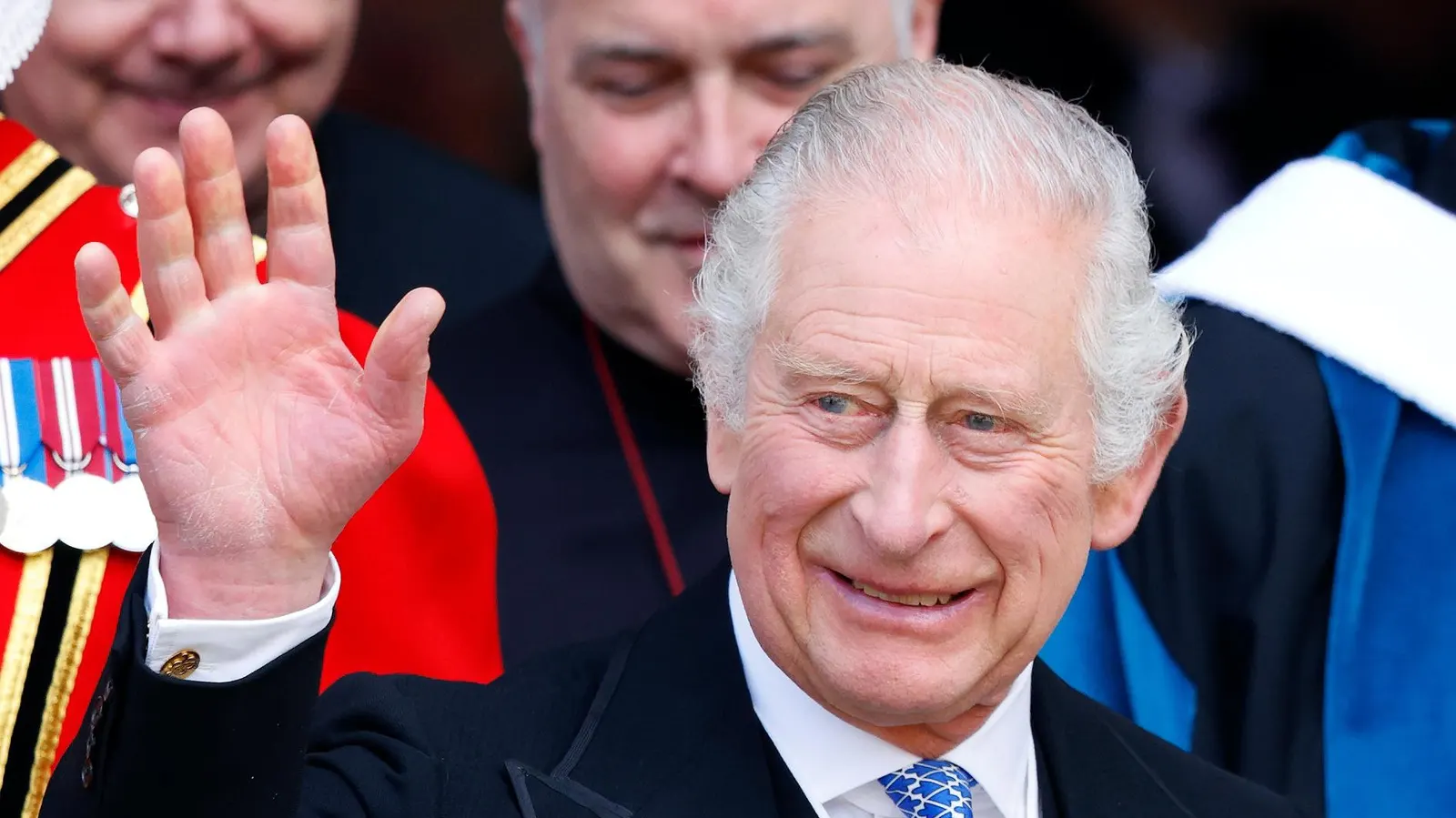
Introduction to prince charles hands
The phrase “Prince Charles hands” might sound unusual at first, but over the years it has become a surprisingly popular topic across media, social networks, and public conversations. People around the world have noticed the distinctive appearance of King Charles III’s hands—often described as swollen, puffy, or unusually shaped—and wondered what it might mean. Is it a health issue? A natural physical trait? A sign of aging? Or simply a case of public prince charles hands curiosity amplified by the internet?
What makes this topic fascinating is not just the physical detail itself, but the broader cultural, medical, and symbolic interpretations attached to it. When a public figure as prominent as King Charles III is involved, even small details can spark intense discussion. From medical theories to royal symbolism, from media narratives to psychological perceptions, “Prince Charles hands” has evolved into a subject that blends science, celebrity culture, and human curiosity.
In this article, we will explore the topic in depth—examining the physical characteristics of Prince Charles’s hands, possible medical explanations, public reactions, media influence, historical context, and the symbolic meaning associated with royal imagery. The goal is not to speculate irresponsibly but to understand why such a detail has captured global attention and what it reveals about society, health awareness, and the way we perceive powerful figures.
The Physical Characteristics of Prince Charles’s Hands
When people refer to “Prince Charles hands,” they usually mean the noticeable puffiness or swelling in his fingers and palms. Over the years, photographs of King Charles III have shown hands that appear fuller than average, with rounded fingers and a slightly swollen look. This appearance has remained relatively consistent across decades, suggesting that it is not a temporary condition but rather a long-term physical trait.
From a purely visual perspective, his hands stand out because they contrast with the typical image of slender, aristocratic features often associated with royalty. Instead of sharp lines and narrow fingers, his hands appear broad and soft, sometimes described in the media as “sausage fingers”—a phrase that went viral after being mentioned in royal-related commentary. prince charles hands While the term may sound humorous or informal, it reflects how the public often reacts to physical differences in prominent individuals.
However, it is important to recognize that physical traits vary widely among individuals, regardless of status or lifestyle. Hands, in particular, can reflect genetics, aging, health conditions, and even occupational habits. In King Charles’s case, the uniqueness of his hands has become a visual signature, making them instantly recognizable in photographs and public appearances.
Medical Perspectives: Possible Explanations Behind the Appearance
One of the most common questions people ask is whether prince charles hands Prince Charles’s hands indicate a medical condition. While no official diagnosis has been publicly confirmed, medical experts and commentators have suggested several possible explanations based on general knowledge of human physiology.
Genetics and Natural Body Structure
The simplest explanation is genetics. Hand shape, finger prince charles hands thickness, and overall appearance are largely influenced by inherited traits. Some people naturally have broader hands or thicker fingers, and this does not necessarily indicate any health problem. In royal families, where lineage and genetics are often traced carefully, such traits can persist across generations.
Aging and Circulation Changes
As people age, changes in circulation, skin elasticity, and tissue composition can alter the appearance of hands. Swelling or puffiness may become more noticeable due to fluid retention or reduced efficiency in blood circulation. Since King Charles has been in the public eye for decades, these gradual changes have been documented through countless photographs, making them more visible to the public.
Fluid Retention and Lifestyle Factors
Another possible explanation is fluid retention, which can prince charles hands be influenced by diet, hydration levels, hormonal changes, and even stress. High salt intake, for example, can cause temporary swelling in hands and fingers. While it would be inappropriate to speculate about personal lifestyle details, it is worth noting that such factors can affect anyone, regardless of social status.
Medical Conditions Considered by Experts
Some commentators have mentioned conditions such as arthritis, lymphedema, or thyroid-related issues as potential causes of hand swelling. However, without official medical statements, these remain speculative theories rather than confirmed facts. It is crucial to approach such discussions responsibly and avoid drawing conclusions without reliable evidence.
Ultimately, the medical dimension of “Prince Charles hands” highlights how easily physical traits can be interpreted as health signals, especially when observed in public figures.
Media Amplification: How the Internet Turned Hands into a Trend
The fascination with Prince Charles’s hands did not emerge in isolation; it was fueled by media coverage and online discourse. In the age of social media, even minor physical details can become viral topics within hours.
The Role of Photographs and Royal Coverage
Royal events are among the most photographed occasions prince charles hands in the world. Every public appearance of King Charles III is captured by high-resolution cameras from multiple angles. As a result, details that might go unnoticed in ordinary individuals become magnified under the global spotlight. Hands, gestures, and facial expressions are analyzed by millions of viewers, turning ordinary features into subjects of debate.
Social Media and Viral Commentary
Platforms like Twitter, Reddit, and TikTok played a major role in popularizing the phrase “Prince Charles hands.” Memes, jokes, and speculative posts spread rapidly, transforming a physical trait into a cultural phenomenon. While some content was humorous, other discussions were more analytical, focusing on health, genetics, and symbolism.
Media Narratives and Sensationalism
Traditional media outlets also contributed to the trend by publishing articles that highlighted the unusual appearance of his hands. Headlines often framed the topic as a mystery or medical puzzle, attracting readers’ curiosity. This sensational approach demonstrates how media can amplify minor details into major stories, especially when royalty is involved.
In this sense, “Prince Charles hands” is not just about anatomy—it is a case study in how modern media constructs narratives around public figures.
Royal Symbolism: Hands as a Representation of Power and Identity
Beyond medical and media perspectives, hands carry deep symbolic meaning, especially in royal contexts. Throughout history, hands have represented authority, leadership, and connection with the people.
Hands as Symbols of Leadership
In many cultures, hands symbolize action, prince charles hands responsibility, and governance. A ruler’s hands are metaphorically associated with guiding the nation, signing laws, and shaping history. In royal portraits and official imagery, hands are often positioned deliberately to convey dignity and control.
In the case of King Charles III, his hands have been photographed during significant moments—handshakes with world leaders, gestures during speeches, and interactions with citizens. These images reinforce the symbolic role of hands as tools of diplomacy and connection.
Psychological Perception of Physical Traits
People often associate physical features prince charles hands with personality traits or character qualities, even subconsciously. Broad hands, for example, are sometimes associated with strength or practicality, while slender hands may be linked to elegance or refinement. Such associations are subjective and culturally influenced, yet they shape how the public perceives leaders.
The fascination with Prince Charles’s hands can therefore be seen as part of a broader tendency to interpret physical traits as reflections of identity or destiny.
Historical Context: Royal Bodies Under Public Scrutiny
The intense focus on Prince Charles’s prince charles hands hands is not unique in royal history. Members of royal families have long been subjected to scrutiny over their physical appearance, health, and habits.
Historical Examples of Royal Physical Traits
Throughout history, monarchs have been prince charles hands charles handsremembered not only for their achievements but also for distinctive physical features. King Henry VIII’s weight, Queen Victoria’s stature, and King George III’s mental health have all been widely discussed and analyzed. In each case, physical traits became part of the public narrative surrounding the monarch.
The Modern Era of Transparency and Curiosity
In the past, information about royal health prince charles hands and appearance was often controlled by the palace. Today, however, digital media and constant photography make it nearly impossible to hide physical details. This shift has created a culture of transparency—sometimes healthy, sometimes intrusive—where the public feels entitled to analyze every aspect of royal life.
Prince Charles’s hands, therefore, represent a modern version of an old phenomenon: the public’s fascination with the physical realities of powerful figures.
Cultural Interpretations and Public Reactions
The reaction to Prince Charles’s hands prince charles hands varies widely across cultures and communities. Some people view the topic as trivial or humorous, while others see it as an opportunity to discuss health awareness and body diversity.
Humor and Memes
On the internet, humor is often the first response prince charles hands to unusual physical traits. Memes about Prince Charles’s hands spread quickly, reflecting the playful side of online culture. While such content can be entertaining, it also raises questions about respect and privacy.
Serious Discussions and Health Awareness
On the other hand, some discussions have used prince charles hands the topic as a starting point for conversations about health conditions that cause swelling or changes in appearance. In this sense, the phenomenon has indirectly contributed to greater awareness of medical issues that many people experience.
Ethical Considerations
The focus on a person’s physical features—especially prince charles hands when they cannot control them—raises ethical concerns. Public figures may be accustomed to scrutiny, but they are still human beings. The conversation around Prince Charles’s hands highlights the need for a more respectful and informed approach to discussing physical differences.
Aging, Royal Duty, and the Human Side of Monarchy
One of the most overlooked aspects of this topic is prince charles hands the connection between aging and royal responsibility. King Charles III has spent his entire life in the public eye, carrying the weight of royal expectations.
The Impact of Age on Appearance
Aging affects everyone, including monarchs. Hands, in particular, show signs of aging more visibly than other parts of the body. Changes in skin texture, blood vessels, and tissue composition are natural processes. When these changes occur in a highly visible individual, they become subjects of public commentary.
The Humanization of Royal Figures
Ironically, the attention given to Prince Charles’s hands may have a humanizing effect. It reminds people that even kings are subject to the same biological processes as ordinary individuals. This realization can make royalty seem more relatable and less distant.
In this sense, “Prince Charles hands” is not just a physical detail—it is a symbol of the shared human experience beneath royal titles and ceremonial roles.
The Psychology Behind Public Fascination
Why do people care so much about something as specific as a monarch’s hands? The answer lies in psychology and social behavior.
The Appeal of Unusual Details
Humans are naturally drawn to unusual or distinctive features. When a prominent figure displays a noticeable physical trait, it stands out against the backdrop of idealized images often associated with power and success. This contrast triggers curiosity and discussion.
Celebrity Culture and Hyper-Observation
In celebrity culture, every detail is magnified. Fans and critics alike analyze clothing choices, body language, facial expressions, and physical features. Royal figures, although not celebrities in the traditional sense, occupy a similar space in public imagination.
Projection and Interpretation
People often project their own beliefs, fears, or expectations onto public figures. A physical trait can become a canvas for speculation, symbolism, or narrative-building. Prince Charles’s hands, therefore, are not just anatomical—they are psychological and cultural symbols shaped by collective perception.
Comparisons with Other Public Figures
Prince Charles is not the only public figure whose physical traits have been widely discussed. Comparing his case with others helps us understand the broader pattern.
Political Leaders and Physical Traits
Political leaders have often been judged based on their physical appearance. From hairstyle to posture, every detail is analyzed as a potential indicator of competence or character. Hands, gestures, and body language play a crucial role in shaping public perception.
Celebrities and Body Features
Actors, athletes, and musicians frequently face scrutiny over their physical features. Whether it is height, weight, facial structure, or hand shape, the entertainment industry often amplifies these details. The discussion around Prince Charles’s hands fits into this larger trend of body-focused commentary.
Lessons from These Comparisons
These examples reveal a fundamental truth: society tends to overanalyze the bodies of influential individuals. While curiosity is natural, it also reflects deeper issues related to beauty standards, power dynamics, and media influence.
The Role of Royal Communication and Silence
Interestingly, the royal family has never directly addressed the topic of Prince Charles’s hands in an official manner. This silence is consistent with traditional royal communication strategies.
The Strategy of Non-Response
By not responding to minor controversies or curiosities, the monarchy maintains a sense of dignity and avoids legitimizing trivial discussions. This approach allows the institution to focus on more important matters such as governance, charity, and diplomacy.
The Impact of Silence on Public Curiosity
Paradoxically, silence often fuels curiosity. When no official explanation is given, people are more likely to speculate. In the case of Prince Charles’s hands, the absence of direct commentary has allowed theories and interpretations to flourish.
This dynamic illustrates how communication strategies shape public discourse, even around seemingly insignificant topics.
The Broader Meaning of “Prince Charles Hands” in Modern Culture
At a deeper level, the prince charles hands fascination with Prince Charles’s hands reflects broader themes in modern society.
Body Diversity and Acceptance
The discussion highlights the diversity of human bodies and the tendency to label certain features as “normal” or “abnormal.” By bringing attention to a natural physical trait, the topic indirectly challenges narrow beauty standards.
The Intersection of Health and Visibility
When a prominent figure displays a visible physical difference, it can encourage conversations about health and well-being. While speculation should be avoided, awareness can be beneficial when handled responsibly.
The Power of Symbolism in the Digital Age
In the digital age, symbols are created rapidly. A single physical trait can become a meme, a metaphor, or a cultural reference. “Prince Charles hands” is an example of how modern society transforms ordinary details into symbolic narratives.
Conclusion:
The story of “Prince Charles hands” is far more complex than it appears on the surface. What began as a simple observation has evolved into a multifaceted discussion involving medicine, media, psychology, symbolism, and culture.
On one level, the topic reminds us of the natural diversity of human bodies and the inevitability of aging. On another level, it reveals how modern media amplifies minor details into global conversations. And on a deeper level, it reflects our collective tendency to humanize, analyze, and sometimes overinterpret the physical traits of powerful figures.
Ultimately, Prince Charles’s hands are not just a physical feature—they are a mirror reflecting society’s curiosity, creativity, and contradictions. By examining this phenomenon thoughtfully and respectfully, we gain insight not only into a royal figure but also into ourselves and the world we live in.