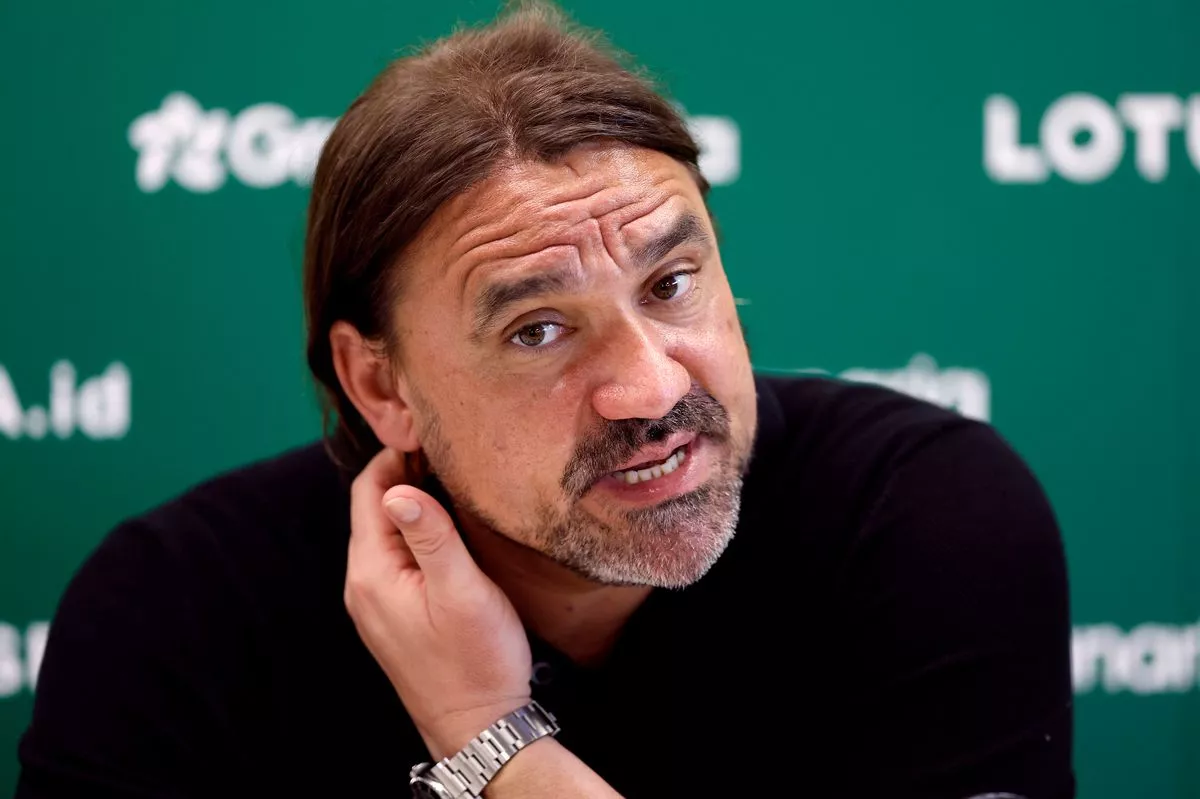






Introduction to hugh keevins
Hugh Keevins is one of the most enduring and controversial figures in Scottish sports media. For over five decades, Keevins has been a fixture in newspapers, on radio, and in the minds of fans of Scottish football. Known for his strong opinions, bold predictions and unmistakable commentary style, he has become a household name — whether people agree with him or not. In this hugh keevins article, we explore Keevins’ life, career, influence, controversies, and legacy in Scottish football journalism.
Early Life: The Making of a Football Fanatic
Hugh Keevins was born on November 12, 1948, in Glasgow, Scotland. Growing up in a city deeply passionate about football shaped both his personal and professional trajectory. Glasgow, home to two of Scotland’s biggest clubs — Celtic and Rangers — is a place where passion hugh keevins runs high, debates are fierce, and football isn’t just a sport but a way of life. It was in this environment that a young Hugh developed an unwavering love for the beautiful game.
From his earliest memories, Keevins was captivated by the drama and intensity of Scottish football. Stories from those formative years consistently point to him attending matches, hugh keevins soaking up the atmosphere of legendary fixtures like the Old Firm derby, and nurturing a lifelong obsession with understanding — and explaining — the sport. Those early experiences laid the foundation for a career that would span more than half a century.
The importance of his upbringing in Glasgow can’t be overstated. In a city where every match carries weight and every opinion matters, Keevins learned to think critically about football — and then to share those thoughts with anyone who would listen. His early interests quickly turned into a lifelong vocation, and he would soon transition from fan to chronicler of the game.
A Long and Storied Career in Journalism
By the 1970s, Hugh Keevins had begun to carve out a space for himself in sports journalism. He cut his teeth reporting for The Sunday Post, later moving on to The Scotsman, and ultimately cemented his place as a leading voice at the Daily Record and Sunday Mail — two of Scotland’s most widely read publications.
Through decades of reporting, column writing, player interviews, and opinion pieces, Keevins became known for his stick‑to‑it approaches and his willingness to be candid on issues that others might avoid. Whether discussing managerial decisions, refereeing controversies, or supporter culture, his work reflected a deep understanding of the sport’s traditions and the modern pressures it faces.
However, his role was never limited to print. Keevins also became a fixture on Scottish radio, most notably on Radio Clyde’s “Superscoreboard”, where his voice became familiar to thousands of listeners every week. His presence on the airwaves brought his opinions into real‑time conversation with fans, making him an even more influential — and inseparable — part of Scottish football culture.
Writing Style and Approach: Bold, Unfiltered, and Opinionated
One of the defining features of Keevins’ commentary is his unapologetically strong style. He doesn’t shy away from expressing clear and often provocative opinions. Whether he’s praising a club’s strategy or criticizing a manager’s approach, Keevins brings a directness that commands attention — and often sparks debate.
This boldness has earned him respect among many readers who value honesty and experience. His columns don’t merely report results — they interpret them. They ask why things happened; they consider bigger narratives and long‑term implications. In that way, Keevins’ work often goes beyond the standard match report and moves into cultural and strategic commentary.
Yet that same fearless approach has also made him a divisive figure. Some fans feel his opinions can be unnecessarily provocative or unfairly critical, especially when he tackles topics like fan behavior or club leadership. Regardless of where one stands, it’s undeniable that his writing style has helped define his public persona — a journalist unafraid of saying what he thinks.
Radio and Broadcasting: Bringing Debate to the Airwaves
While many journalists are known for their columns, Hugh Keevins became equally recognizable as a broadcast commentator. His long association with Superscoreboard on Radio Clyde is a major part of his legacy. The show became a platform not just for football talk, but for spirited debate between the hosts, callers, and Keevins himself.
On the air, Keevins was at his most engaging and sometimes controversial. He often encouraged blunt discussions with supporters who called in, sharing viewpoints that ranged from critical to celebratory. This interactive environment showcased his comfort with live discussion and further amplified his voice across the Scottish football community.
Broadcasting in Scotland is particularly lively when it comes to football. Listeners don’t just tune in for score updates — they expect passion, rivalry, and strong opinions. Keevins delivered all of that and more, remaining relevant in a medium where many commentators come and go. His longevity on radio has played a major role in shaping how football is discussed publicly in Scotland.
Controversies and Criticism: Passion Meets Debate
No in‑depth look at Hugh Keevins’ career would be complete without addressing the controversies that have followed him. Being outspoken in sports journalism inevitably attracts criticism — and Keevins has certainly experienced his share. Several incidents and opinions have drawn backlash from fans, bloggers, and even fellow journalists.
For example, his commentary on Celtic’s performances and fan reactions has sparked debate online. Critics have accused him of being “out of touch” with supporter sentiment or of stirring up controversy deliberately.
Similarly, some of his remarks about refereeing decisions or managerial tactics have prompted heated responses from fans and pundits alike. These moments highlight a broader truth: that passionate football supporters expect media figures to share in their emotional investment — and when a journalist offers a divergent perspective, it can create friction.
Yet it’s worth noting that controversy alone does not define Keevins’ work. Rather, it underscores his role as a provocateur — someone who does not shy away from expressing strong opinions, even at the risk of criticism. That trait has kept him at the center of football conversations in hugh keevins Scotland for decades.
Impact on Scottish Football Culture
Hugh Keevins’ influence can be measured not just by his longevity, but by how often his opinions become part of the broader conversation around Scottish football. His columns and broadcasts are frequently shared, debated, and referenced by fans and media alike.
Whether he’s dissecting tactical decisions or reflecting on league dynamics, hugh keevins Keevins helps frame the narratives that fans and commentators engage with week after week. His perspective often brings historical context and personal insight into contemporary debates.
For younger journalists and aspiring commentators in Scotland, Keevins’ career offers a model of endurance and impact. He has shown that sports reporting can be more than score lines and match reports — it can be storytelling, analysis, and cultural commentary. His work demonstrates the powerful role that media can play in shaping football discourse.
Recent Work and Continued Relevance
Despite being well into his seventies, Hugh Keevins remains active in football journalism. He continues to write columns for Record Sport and others, offering opinions on current matches, managerial decisions, club politics, and more.
His recent output shows that his voice hasn’t dulled with age. If anything, his continued engagement with the modern game — from tactical developments to leadership changes — demonstrates both passion and adaptability. In an era where football evolves rapidly, maintaining relevance is no small achievement.
Whether readers agree with him or not, Keevins’ presence across multiple platforms — print, radio, and digital — ensures that his perspective continues to shape how Scottish football is covered and discussed. His enduring presence is a testament to a career built on passion, insight, and a willingness to speak frankly.
Legacy: A Journalist Who Defined a Conversation
As a figure with decades of influence, Hugh Keevins’ legacy in Scottish football journalism is significant. He is recognized as one of the most experienced and outspoken voices in the country. His name carries weight because he has consistently shown up, week after week, season after season, to contribute meaningfully to the discussions that matter to fans.
His legacy isn’t simply one of controversial opinions — it’s the result of a lifetime spent immersed in the sport he loves. From early days in print journalism to commanding radio debates and crafting columns that spark reflection, Keevins has contributed to the cultural fabric of Scottish football media.
Future generations of sports journalists will likely look back on his work as an example of how journalism can blend passion with analysis, influence with insight, and opinion with accountability. Whether loved or criticized, Hugh Keevins’ voice has become inseparable from the story of Scottish football itself.
Conclusion:
In the world of sports media, few journalists achieve the kind of staying power that Hugh Keevins has enjoyed. His career reflects deep passion, fearless commentary, and a willingness to challenge narratives — even when unpopular. Over five decades, he has informed, provoked, and engaged generations of football fans.
Love him or argue with him, one thing is certain: Hugh Keevins’ voice is woven into the story of Scottish football journalism. His contributions reflect the vibrancy of the sport and the culture that surrounds it. And as long as there are stories to tell, debates to be had, and football to analyze, figures like Keevins will remain integral to how we understand the beautiful game.