





Introduction
The demand for professional lie detection services has grown steadily in recent years, creating new opportunities for individuals interested in investigative careers. As organizations place greater importance on security, fraud prevention, employee screening, and criminal investigations, trained polygraph examiners continue to play an important role in many industries. This has increased interest in polygraph schools/polygraph training among students, law enforcement professionals, private investigators, and security specialists who want to build specialized careers.
Polygraph training programs are designed to teach students the science, ethics, and practical methods behind polygraph examinations. These programs provide technical instruction, interviewing skills, and hands-on practice with polygraph equipment. Whether someone wants to work for government agencies or operate an independent practice, proper education and certification are essential for long-term success. Understanding how polygraph schools operate, what courses include, and how certification works can help students choose the right career path and avoid common mistakes.
Understanding Polygraph Training
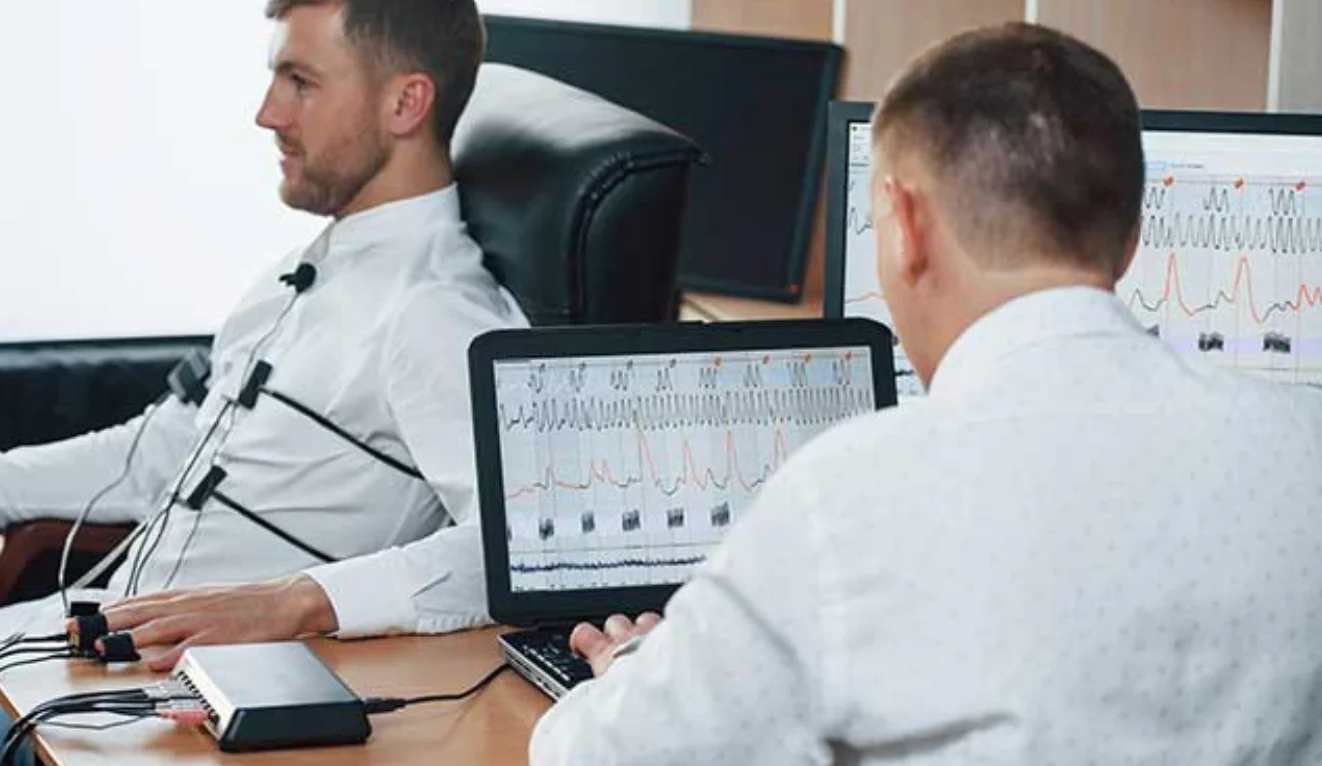
Polygraph training focuses on teaching students how to conduct examinations that measure physiological responses during questioning. These responses may include changes in breathing, blood pressure, pulse rate, and perspiration. Examiners are trained to analyze these reactions while using structured interviewing techniques to assess truthfulness and deception. However, modern polygraph education goes far beyond simply operating equipment. Students also learn communication strategies, psychology, ethics, and legal procedures that are necessary for conducting professional examinations.
Most polygraph schools programs combine classroom instruction with practical exercises. Students typically begin with theoretical concepts before moving into supervised testing scenarios. They learn how to prepare test questions, conduct pre-test interviews, evaluate charts, and create professional reports. Since accuracy and professionalism are critical in this field, many schools place strong emphasis on ethical standards and responsible examination practices.
Training also teaches students how to handle sensitive situations. Polygraph examiners often deal with criminal investigations, workplace disputes, theft cases, or background screenings where emotions and pressure can be high. Developing calm communication skills and maintaining neutrality are essential parts of professional training.
Why Polygraph Schools and Training Programs Matter
Formal education is extremely important for anyone planning to become a polygraph examiner. While some people assume polygraph testing is only about operating a machine, the reality is that successful examinations require deep knowledge, critical thinking, and interpersonal skills. Professional training helps students understand how to conduct reliable tests while avoiding errors that could affect results.
One major advantage of attending recognized polygraph schools/polygraph training programs is the opportunity to gain hands-on experience. Students practice conducting real examinations under supervision, allowing them to build confidence and improve accuracy before working independently. This practical experience is often one of the most valuable parts of training because it prepares students for real-world situations.
Another important benefit is career credibility. Many employers and agencies prefer candidates who completed formal training programs and obtained professional certification. Proper education demonstrates commitment to industry standards and ethical conduct. It also improves opportunities for employment in law enforcement, private investigations, corporate security, and government screening operations.
Types of Polygraph Training Programs
Polygraph schools offer different types of programs depending on student goals and experience levels. Some are designed for beginners who are completely new to the field, while others focus on advanced investigative methods for experienced professionals.
Beginner programs usually introduce the fundamentals of lie detection and examination procedures. Students learn about physiology, interviewing methods, chart analysis, and ethical standards. These programs are ideal for individuals entering the profession for the first time and often provide the foundation needed for certification.
Advanced polygraph training courses focus on specialized skills and complex investigative procedures. Topics may include forensic interviewing, advanced chart interpretation, criminal testing methods, post-conviction examinations, and specialized screening techniques. These programs are often recommended for professionals who already have investigative experience or who want to expand their expertise.
Some schools now provide online learning options for certain theoretical portions of training. Online education offers flexibility for working professionals and allows students to study from different locations. However, because polygraph examination requires practical experience, most quality programs still include in-person laboratory training and supervised examinations. Hands-on instruction remains essential for developing professional competency.
Subjects Covered in Polygraph Schools
Polygraph training programs cover a wide range of subjects designed to prepare students for professional work. One of the most important areas is psychology and human behavior. Examiners must understand how stress, emotions, and anxiety influence physiological responses during questioning. This knowledge helps students interpret examination results more effectively.
Students also study physiology to understand how the body reacts during stressful situations. Learning how breathing patterns, heart rate, and perspiration change during examinations is central to polygraph analysis. Training programs explain how these physical responses are recorded and evaluated using modern equipment.
Question formulation is another major subject in polygraph schools/polygraph training. Students learn how to create structured and unbiased questions that support accurate examinations. Poorly worded questions can lead to unreliable results, which is why careful preparation is emphasized throughout training.
Practical laboratory work is equally important. Many schools conduct mock examinations where students practice interviewing techniques, equipment operation, and chart analysis. These exercises allow students to gain confidence while improving technical skills. Realistic training environments also help students prepare for the pressure of actual investigative work.
Choosing the Right Polygraph School
Selecting the right training program is one of the most important decisions for aspiring polygraph examiners. Since schools vary in quality, curriculum, and reputation, students should carefully evaluate their options before enrolling.
Accreditation and reputation are important factors to consider. Well-established schools often have experienced instructors, structured programs, and strong industry connections. Researching graduate success stories and professional recognition can help students identify reliable institutions.
Course structure and duration should also match personal goals and schedules. Some programs offer intensive full-time training that can be completed within a few months, while others provide flexible schedules for working professionals. Understanding how much practical experience is included is especially important because hands-on training directly affects career readiness.
Instructor experience can significantly influence learning quality. Many successful schools employ former law enforcement officers, investigators, or experienced polygraph examiners who bring practical knowledge into the classroom. Learning from professionals with real-world experience helps students understand the challenges and responsibilities of the job.
Cost is another important consideration. Tuition fees for polygraph schools/polygraph training programs may vary depending on program length, reputation, and included resources. Students should evaluate overall value rather than choosing solely based on low cost. Quality education and practical training often provide better long-term career benefits.
Polygraph Certification and Licensing
Certification is a major step for individuals who want to work professionally in the polygraph industry. After completing training, students may need to pass written examinations, practical assessments, or supervised internship requirements depending on local regulations and professional standards.
Professional certification demonstrates that an examiner has completed recognized training and met industry competency requirements. Many employers prefer certified examiners because certification helps establish credibility and professionalism. In some areas, licensing may also be required before offering polygraph services to the public.
Continuing education is often necessary to maintain certification. The field of polygraph examination continues to evolve with new technologies, research methods, and investigative techniques. Ongoing professional development allows examiners to remain current and improve their skills throughout their careers.
Career Opportunities After Polygraph Training
Graduates of polygraph schools/polygraph training programs can pursue careers in several industries. Law enforcement agencies frequently use polygraph examinations during criminal investigations, applicant screening, and internal investigations. This creates opportunities for trained professionals who understand investigative procedures and ethical testing practices.
Private investigation firms also hire polygraph examiners to assist with fraud cases, theft investigations, and legal disputes. Businesses may use polygraph services for employee investigations or security-related matters. Corporate security departments sometimes rely on trained examiners to support internal risk management programs.
Some graduates choose to establish independent polygraph practices. Running a private business allows examiners to offer services directly to attorneys, corporations, private clients, and investigative agencies. However, independent practice requires strong communication skills, professional reputation management, and business knowledge in addition to technical expertise.
The increasing demand for security and fraud prevention services continues to create opportunities in this profession. Individuals with strong training, professional certification, and practical experience often have better chances of building successful long-term careers.
Skills Needed for Success
Successful polygraph examiners require more than technical knowledge. Strong communication skills are essential because examiners spend significant time interviewing individuals and discussing sensitive topics. Building trust while remaining professional and neutral is critical during examinations.
Analytical thinking is equally important. Examiners must carefully evaluate physiological data, interview responses, and behavioral observations before reaching conclusions. Attention to detail helps improve accuracy and reduces the risk of misinterpretation.
Ethics and professionalism also play major roles in this field. Examiners often handle confidential information and emotionally sensitive situations. Maintaining integrity, respecting privacy, and following professional standards are necessary for building credibility and trust within the industry.
Conclusion
polygraph training programs provide the education and practical experience needed to enter a specialized and growing profession. From understanding physiology and interviewing techniques to learning ethical examination practices, these programs prepare students for careers in law enforcement, private investigations, corporate security, and independent consulting.
Choosing the right school, gaining hands-on experience, and obtaining professional certification are all important steps toward success. As demand for investigative and security services continues to expand, trained polygraph examiners may find increasing career opportunities across multiple industries. With dedication, proper education, and ongoing professional development, individuals can build rewarding careers in the field of polygraph examination.