





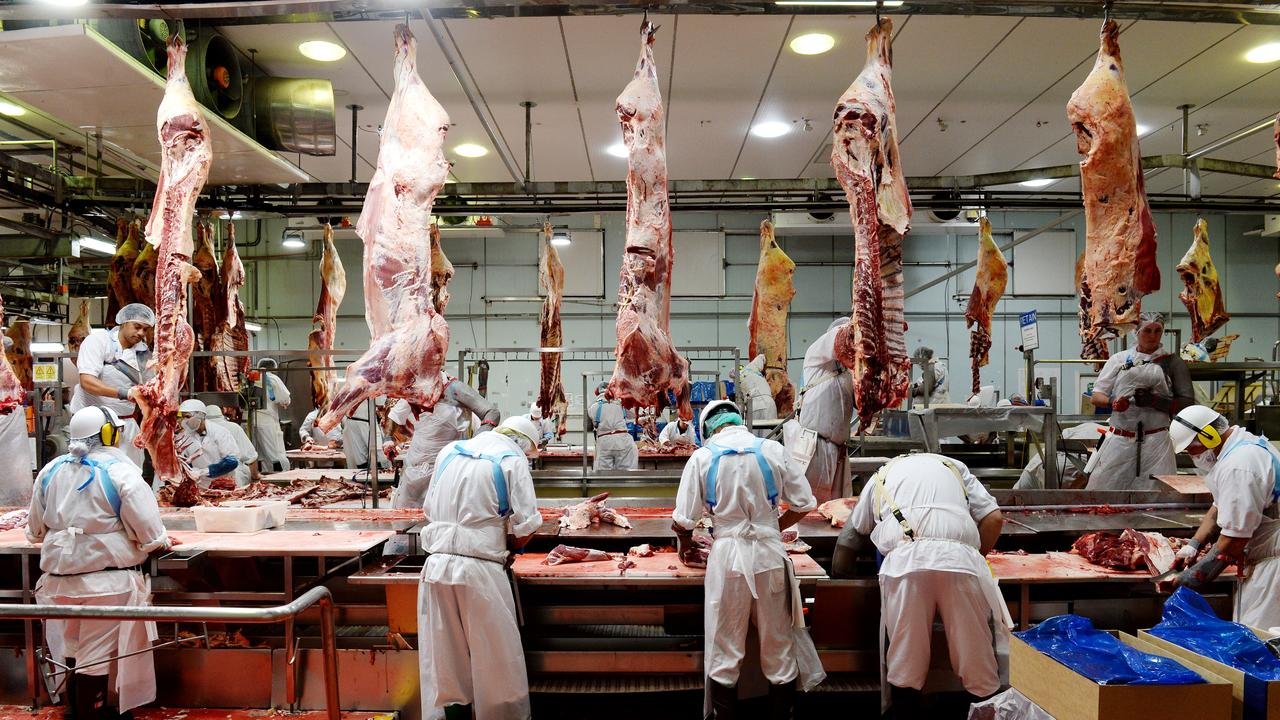
Introduction to meatworks
When people hear the word meatworks, it stirs up a whole mix of ideas. Some imagine the old-fashioned slaughterhouses that fueled early industrial economies, while others picture shiny stainless-steel facilities powered by data, science, and strict hygiene systems. Both visions are true, but neither tells the whole story. In reality, meatworks have changed dramatically over the past century, transforming from gritty, labour-intensive factories to highly regulated, technologically advanced production hubs that play a central role in the global food landscape.
A modern meatworks represents more than raw produce and packaging. It is a complex ecosystem built around animal care, ethical processing, labour training, cold-chain logistics, export standards, sustainability practices, and—more recently—consumer consciousness about where food comes from. In many parts of the world, especially Australia, New Zealand, Europe, and North America, the term refers to major processing centres that handle livestock from farm gate to finished cuts. These facilities depend heavily on a vast network that includes farmers, transporters, veterinarians, quality auditors, microbiologists, and distribution specialists.
It’s fascinating to realize how easily meatworks blend the old and the new. At the core, the mission has always been the same—to process animals into food safely and efficiently. But the forces shaping that work shift constantly. Regulations tighten, consumer tastes evolve, new technologies get introduced, and ethical standards rise. The result is an industry that’s always moving, analysing itself, responding to crises, and—when necessary—reinventing its entire value chain.
Most people interact with meatworks without ever knowing it. Every restaurant serving a juicy steak, every grocery store stocking vacuum-sealed chicken breasts, and every fast-food chain flipping burgers relies on facilities built on decades of systems engineering and continuous improvement. The next time someone throws a package of mince into their shopping basket without a second thought, they’re holding the product of thousands of hands, hundreds of steps, and countless safety checks. That is the hidden face of meatworks.
The Day-to-Day Reality Behind the Factory Doors
People tend to imagine that work inside a meatworks is chaotic or unstructured, but the truth could not be more different. Nearly every moment of production is planned, monitored, logged, and tracked. From the second animals arrive on site, trained professionals take responsibility for welfare—ensuring minimal stress, providing safe handling environments, and complying with industry codes enforced by national food standards authorities. This isn’t just about ethics; stress-free handling improves meat quality and texture, meaning the welfare conversation benefits everyone involved.
Inside processing halls, the workflow unfolds like a carefully choreographed production line. Teams specialize in certain stages—primary processing, trimming, deboning, grading, packing, and inspection. Instead of relying solely on muscle and knives, modern meatworks leverage mechanical lifting systems, conveyor-based workflows, automated cutting saws, and increasingly, artificial intelligence-assisted vision scanners that evaluate carcasses and determine optimal cuts. These improvements not only keep quality consistent but dramatically reduce health risks in a physically demanding environment.
Health and safety rule everything in this space. The public sees the final product, clean and wrapped, but few understand the hygiene protocols behind it. Workers undergo biosecurity checks, sanitation gear is mandatory, and equipment is sterilized constantly. Air quality, temperature, and water use are monitored 24/7. Every batch of product is documented with traceability systems that connect final packaging all the way back to the farm an animal came from. If a safety issue emerges anywhere in the food chain, traceability allows rapid response without mass waste or consumer panic.
Meanwhile, meatworks also serve as major employers—often in regional areas where job opportunities may be more limited. Beyond production workers, roles span engineering, logistics, IT, accounting, food science, and human resources. For many communities, the meatworks is a cornerstone business that supports families, businesses, and infrastructure. Newcomers may enter with little experience and build specialized careers with solid earnings, apprenticeships, and pathways into supervisory roles. As simple as meat processing may appear from the outside, it creates diverse livelihoods that ripple through regional economies.
Ethics, Sustainability & The Changing Expectations of Consumers
We live in an era when customers demand transparency. That pressure is reshaping meatworks in ways few would have predicted twenty or thirty years ago. Today’s consumers want to know where their food comes from, how the animals were raised, how workers were treated, and what environmental footprint their dinner left behind. For an industry once driven mostly by efficiency and volume, this shift represents both challenge and opportunity.
Animal welfare lies at the center of this transformation. Previously, processing was often described in cold, mechanical language. Now, entire certification systems—such as RSPCA approval, Global Animal Partnership, and national welfare standards—define expectations for treatment, transport, and management. Many meatworks partner with farmers directly to improve handling practices and develop long-term supply contracts based on welfare quality rather than lowest pricing. Humane slaughter processes and third-party auditing are now baseline requirements, not idealistic goals.
Sustainability is another growing frontier. Meatworks naturally produce waste—bones, offal, hides, and wastewater—but modern facilities are innovating rapidly. Many turn byproducts into valuable commodities like blood meal, pet food ingredients, leather, pharmaceutical materials, and even bioenergy. Instead of landfilling waste, the industry is gradually moving toward circular-economy models where nearly every component of the animal is utilised. Water recirculation systems, heat recovery units, methane capture, and renewable-energy-powered chilling plants are becoming more common as the industry works to lower emissions intensity and satisfy investor scrutiny.
Lastly, global markets exert influence. Countries importing beef, lamb, and poultry demand rigorous assurances before products cross borders. Traceability systems, laboratory testing, digital certification, and export compliance make meatworks some of the most audited facilities in the food sector. This scrutiny may appear burdensome, but it elevates reputation and opens high-value markets where shoppers will pay more for verified standards. In this sense, ethics, environment, and economics have stopped competing and started converging into a shared future.
What the Future of Meatworks Looks Like
The future of meatworks is unfolding in two directions simultaneously—smarter technology and broader definitions of what “meat” even means. On the technology front, artificial intelligence and robotics are beginning to play roles once thought unrealistic. Precision-cutting robots are being tested in beef processing, using 3D imaging to determine exact cut lines. Automated packing systems reduce contamination risks. Machine learning models forecast demand so plants produce only what markets will absorb, decreasing waste and cooling costs. While human labour remains essential, technology is slowly shifting the balance toward more skilled, tech-supported roles.
Another major force shaping the future is diversification. Traditional livestock remains the core, but emerging categories—from plant-based proteins to lab-grown cultured meat—are edging into the spotlight. Rather than viewing these alternatives as competition, some forward-thinking meatworks are exploring partnerships or building hybrid product lines. The logic is simple: the world population is growing, dietary needs are expanding, and food systems will require multiple sources of protein. Meatworks already hold infrastructure for hygiene, cold chain management, packaging, and distribution—making them logical hubs for new protein categories.
Climate resilience is also pushing innovation. Heatwaves, flooding, supply chain delays, and animal disease outbreaks threaten production stability. Meatworks that adopt flexible systems now—such as diversified sourcing networks, energy-efficient chillers, and emergency contingency protocols—will be better equipped to handle future disruptions. This mindset echoes a broader trend across food manufacturing: designing systems not just for good years, but for unpredictable decades.
Finally, public attitudes will continue evolving. Younger generations are asking bigger questions about eating habits, sustainability, and wellbeing. Some will reduce meat consumption, others will shift to premium cuts only, and many will simply demand proof of ethical standards. Meatworks that listen to consumers, invest in transparency, and embrace ongoing change will be the ones shaping—not reacting to—the future of food. The industry has more adaptability baked into it than most people realize.
Conclusion:
Meatworks are central to our modern food supply, yet their complexity is hidden behind the simplicity of supermarket packaging. What seems like an ordinary dinner ingredient is the product of careful planning, deep expertise, ongoing innovation, and huge responsibility. As technology advances and consumer expectations grow louder, the industry stands at a fascinating crossroads—balancing old craft with new science, efficiency with ethics, and tradition with transformation.
So the next time meatworks comes up in conversation, remember that it represents far more than a factory. It’s a living intersection of agriculture, industry, science, culture, and community—quietly feeding millions while constantly evolving to meet the demands of an ever-changing world.