





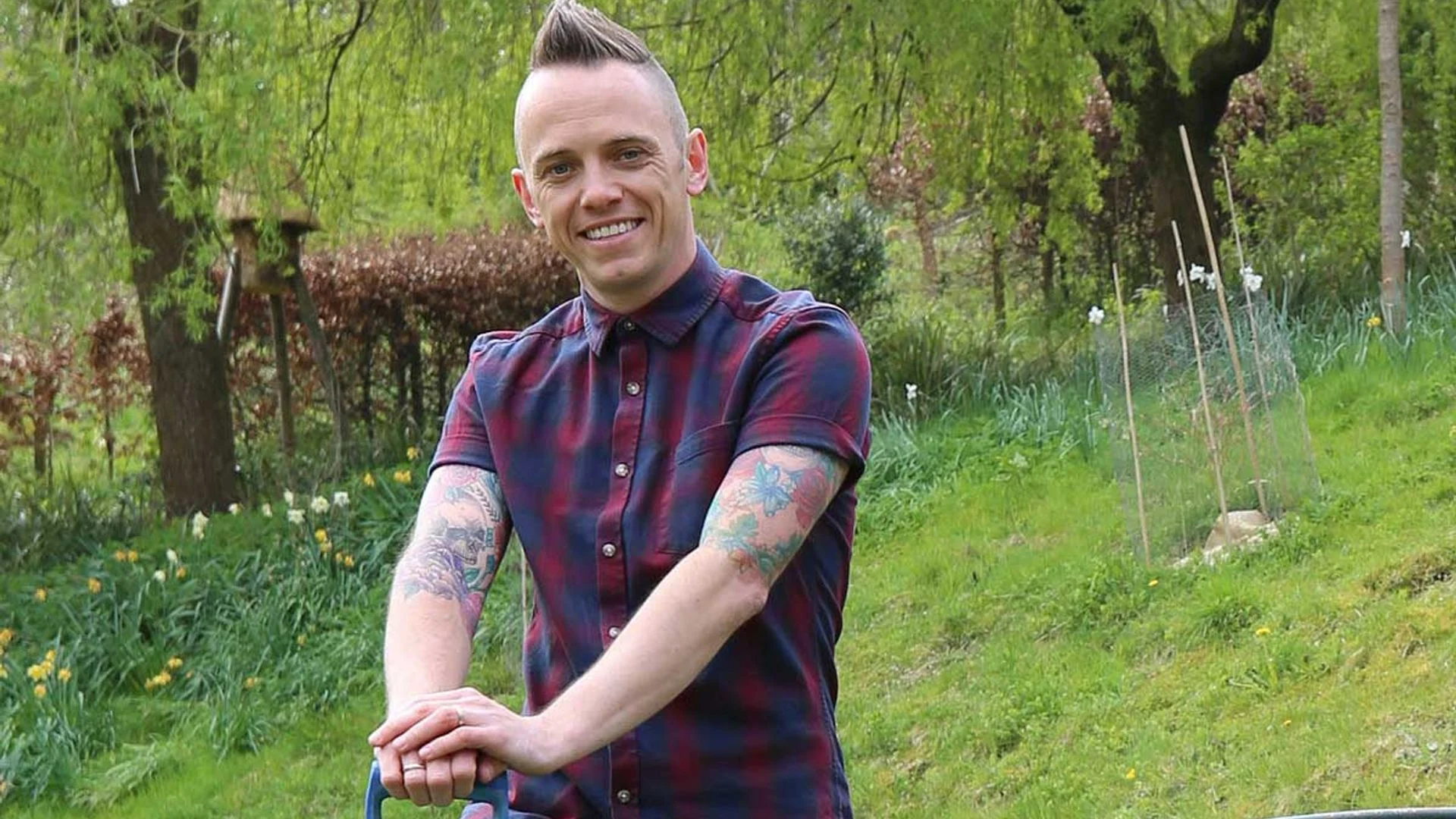
Introduction to lee burkhill
When you hear the nickname Garden Ninja, it sounds like something pulled straight out of a comic book. But Lee Burkhill wears the title proudly—and unlike fictional ninjas, he doesn’t deal in stealth attacks or throwing stars. His weapon of choice? Clever design, beautiful planting schemes, and a knack for rescuing gardens people have given up on. Lee Burkhill is a British garden designer, educator, writer, television personality, and all-round advocate for making gardening fun instead of intimidating. His rise wasn’t overnight, but his impact has felt instant.
At first glance, Lee doesn’t strike you as the typical gardening expert you imagine from the old days. He’s not overly formal, and he doesn’t insist on traditional rules or posh horticultural language. What makes his style refreshing is that he mixes expert knowledge with honesty, humour, and a surprising amount of empathy. Many of the people who discover Lee are overwhelmed lee burkhill beginners. Some have gardens so messy they don’t even want to step outside. Yet, time after time, he proves that there’s no such thing as a hopeless outdoor space—only people who haven’t yet found their gardening confidence.
Lee’s career unfolded like many modern success stories—not only through talent and training but also through online presence and digital storytelling. Before national television, before the awards, and before The Garden Ninja brand was fully recognised, Lee was writing blog posts, filming videos, and simply helping ordinary people turn unloved corners of their property into inspirational spaces. The more he shared, the more people realised they didn’t need to already belong to the gardening world to join it. Lee’s message has always been simple: your garden doesn’t have to be perfect; it just has to start.
From Corporate Career to Cult Gardening Figure
One of the most striking things about Lee Burkhill is that he didn’t originally plan to become a gardening guru. Like many creatives, he spent a number of years in the corporate world before realising that something inside him needed more freedom. It’s a journey a lot of people relate to—clocking into a job where your heart isn’t fully present, but feeling stuck because changing lanes seems risky. Lee eventually reached the conclusion that life is too short not to do lee burkhill what lights you up. Gardening was calling, and he listened.
Leaving a stable job for an uncertain path is a bold move. What makes Lee’s story inspiring isn’t just the leap, but how he built something meaningful from scratch. He didn’t buy a ready-made business or step automatically into a pre-existing brand. He started small, designing gardens locally and creating content online that reflected real-life learning and trial-and-error experiences. His early posts were practical, friendly, and disarmingly honest, and that tone never left his work.
Gardening is full of formal traditions—names, methods, lee burkhill unwritten rules that beginners often find intimidating. Lee’s approach rejected the idea that only trained horticulturalists deserve a voice. Instead, he built a space where curiosity is more important than expertise and where experimentation matters more than academic knowledge. In this way, Lee didn’t simply change his career. He opened a door and invited thousands of followers to come with him.
The Garden Ninja Brand: More Than a Catchy Title
“Garden Ninja” may sound playful, but it’s more than a lee burkhill fun label—it’s a philosophy. The name captures Lee’s spirit: fast-thinking, creative, clever, and capable of transforming a neglected garden into a flourishing oasis. The brand started with his blog, where he wrote about design principles, plant selection, colour combinations, and practical projects for homeowners. Unlike many gardening resources, his content didn’t overcomplicate the subject. He treated garden education like a conversation rather than a lecture.
Eventually the Garden Ninja platform expanded into videos,lee burkhill social media, and design services. Lee’s posts became a hub for people who wanted their garden to feel personal rather than generic. A lot of garden advice focuses on rules—what you must and must not do. Lee flips the script by showing that gardens can break rules if the results make you happy. His brand champions individuality. Whether someone prefers a wildlife jungle, a tidy modern space, or a low-maintenance patch, Lee teaches them to embrace their style.
Another strength of Garden Ninja is the range of problems lee burkhill it addresses. Lee often works with small or unusually shaped gardens, which many designers shy away from. He loves awkward spaces—the narrow paths, the tight courtyards, the shady corners. He sees potential where others see inconvenience. That mindset makes his work resonate with people living in cities, in new builds, and in unexpected locations. The brand stands for accessibility, creativity, and positivity—and those values earned it attention far beyond its original audience.
RHS Chelsea and Recognition in the Gardening World
A turning point in Lee’s professional journey was the recognition lee burkhill he received from major gardening institutions. In particular, the Royal Horticultural Society—a powerhouse in gardening culture—took notice of his work. RHS awards are not handed out lightly. They represent dedication, innovation, and an understanding of how gardens blend beauty with functionality. For Lee, being acknowledged by RHS was both validation and a launching pad.
Awards and accolades opened doors to even larger projects lee burkhill and platforms. They confirmed what his followers already knew: Lee Burkhill wasn’t just a casual gardener with a personality; he was a skilled designer with real technical understanding of planting, layout, sustainability, and practical challenges. His designs reflect strong structure as well as creativity, showing that fun and professionalism can coexist.
Recognition from the larger gardening community also lee burkhill brought him into contact with other influential names. Collaborations, events, and speaking engagements followed. Lee didn’t just stop at designing gardens—he became an ambassador for the joy of gardening itself. But the impressive thing is that he remained grounded. Even with awards on the shelf, his work continues to speak to everyday beginners, not just experts.
Garden Rescue: Lee’s Rise on British Television
A massive leap in Lee Burkhill’s visibility came when he joined the BBC’s “Garden Rescue.” The show centres around rescuing struggling gardens and giving homeowners a fresh start—a perfect fit for someone who built a career turning problems into possibilities. With co-presenters and a nationwide audience, Lee brought his signature style to TV screens, inspiring countless viewers who may never have heard of him online.
What makes Lee stand out on television is his relatability. He doesn’t present design decisions as unquestionable commands. He explains why choices work, how homeowners can maintain them, and what alternatives exist for people with different tastes. That teaching spirit turns passive viewers into active gardeners. Garden Rescue isn’t just entertainment—it sparks confidence in people who once believed gardening was too expensive or too difficult.
His on-screen personality mirrors the Garden Ninja brand—friendly, encouraging, and slightly mischievous in the best way. He offers creative thinking rather than textbook repetition. Many fans discovered the show during stressful periods in life—including lockdowns—and Lee’s comforting tone offered escapism, inspiration, and reassurance that transformation is always possible, even when you only have a patch of soil and imagination.
Design Style: What Makes a Burkhill Garden Unique
Although Lee never insists on rules for beginners, his design work clearly reflects strong principles. One of his trademarks is maximising character in every space, no matter its scale. He loves curves, layered planting, texture variation, and layouts that draw visitors into the garden rather than letting them see everything in one glance. His gardens are interactive spaces, not just static displays.
Lee emphasises creating destination points—places where people want to sit, walk, pause, or explore. That might mean a tucked-away bench, a hidden path, or plants that surprise the eye when seen from different angles. He also considers emotional atmosphere. A garden must feel right for the people living in it, whether that means bold colours or calming shades, wildlife activity or quiet structure.
Another essential feature of his style is adaptability. Lee understands that lifestyles vary. Some people want water features, some prefer zero maintenance, and others dream of pollinator-friendly jungles buzzing with bees. Instead of pushing a single taste, he tailors designs that reflect the owner’s personality and needs. This customer-centred approach is a key reason homeowners are willing to trust him with spaces that mean so much to them.
Championing Beginner Gardeners and Mental Wellbeing
If there’s one topic Lee Burkhill talks about as passionately as garden design, it’s the impact gardening has on wellbeing. Time outdoors has been proven to improve mental health—reducing stress, boosting mood, and providing a break from fast-paced digital lives. Lee makes a conscious effort to show that gardening isn’t just about aesthetics; it is a tool for healing, grounding, and rebuilding personal confidence.
Many of his followers share feelings of lee burkhill overwhelm when they begin. Gardens, especially neglected ones, can feel symbolic of life chaos. Lee gently reframes the task: you don’t fix a garden overnight, and you don’t need to fix yourself overnight either. You start with one job, one patch, one plant. Over time, progress builds and appreciation grows. That emotional message is powerful, especially for people who are struggling.
Lee also challenges the idea that gardening must be expensive or picture-perfect. He often uses reclaimed materials, recycled objects and budget-friendly creativity. Teaching frugal gardening opens the hobby to people with limited finances or those renting their homes. He shows that joy in gardening isn’t tied to wealth; it’s available to anyone who’s willing to step outside and give it a go.
A Digital Educator for the Modern Age
As comfortable as Lee is on television, lee burkhill the digital world remains one of his strongest platforms. YouTube, Instagram, TikTok, Facebook, and his blog have become community spaces where gardeners gather, ask questions, and share progress. In a time when information is everywhere, the challenge is filtering it to something digestible. Lee excels at presenting complex ideas in reassuring language.
His tutorials simplify design concepts that often intimidate beginners—soil improvement, shade solutions, plant combinations, seasonal planning, wildlife support. He offers practical steps rather than abstract advice. Many fans cite his ability to turn confusion into clarity. When someone says, “I don’t know where to start,” Lee answers, “Start somewhere—this is how.”
His online presence also allows lee burkhill him to champion sustainability, a subject he weaves naturally into all his content. Instead of doom-scrolling climate anxiety, he invites followers to take positive action—grow habitat, plant trees, compost food waste, support pollinators. The message is again empowering rather than prescriptive.
Why Lee Burkhill Matters in the Future of Gardening
The future of gardening lee burkhill doesn’t belong only to the traditional experts—it belongs to anyone with curiosity, creativity, and willingness to learn. Lee stands at the forefront of a movement reshaping what gardening culture looks like. His influence matters because he broadens the definition of who gardening is for and how it can improve lives.
Modern homes increasingly have small gardens, balconies or shared spaces. Climate change demands fresh thinking. People crave connection to nature despite digital lifestyles. Lee bridges these shifts with optimism. He proves that gardening evolves, just like people. And if a former corporate worker can transform into the Garden Ninja, then anyone can transform their outdoor space—even if it’s nothing more than a few pots on a windowsill.
His role as a designer, educator, presenter and storyteller positions him as a symbol of change—one that blends tradition with innovation, old skills with new technology, and knowledge with relatability. Garden experts have existed for centuries, but few have mixed technical ability with warmth and humour the way Lee does. His work resonates because he sees the garden not just as a place to grow plants, but as a space to grow yourself.
Conclusion:
Lee Burkhill’s journey from corporate employee to beloved gardening figure teaches us more than how to design a garden. It tells us that passion, honesty, and creativity open doors that formal paths sometimes overlook. Whether he’s designing a show-stopping garden, saving a struggling yard on television, or calming an anxious beginner through a YouTube tutorial, Lee reminds us that gardening is for everyone.
He brings expertise but never arrogance. He offers guidance but never pressure. He celebrates individuality rather than conformity. And above all, he makes gardening feel exciting, achievable, and rewarding. The Garden Ninja title suits him perfectly—not because he sneaks around, but because he quietly transforms gardens and gardeners alike, one thoughtful step at a time.
Lee Burkhill’s legacy is still being written, but one thing is certain: we are watching a gardening revolution unfold, and he’s right at the centre of it.